


G Johns & Sons is a specialist architectural ironmongery supplier, serving architects, contractors and trade professionals across the UK with an extensive catalogue of door furniture, cabinet hardware, window fittings and security products, including fire-rated, DDA-compliant and heritage-specification lines.
G Johns & Sons had outgrown Magento 2. Rising hosting and maintenance overhead was pulling resource away from growth, while trade customers working to tight project deadlines needed a faster, clearer way to browse specifications, compare finishes and submit trade applications.
The catalogue set the bar high before a line of code was written. A single door handle listing could span six or more finish variants, each carrying its own dimensions, fire rating and fixing specification, all built on a Magento product structure Shopify has no native equivalent for.
The key priorities were:

Grouped-product depth, kept intact
Magento's grouped product system underpinned the entire catalogue. Losing that structure on migration would have meant losing the way trade customers actually shop the range.

Specification depth, fully retained
Products carry 15 to 20+ specification attributes, from fire ratings to fixings. These needed to stay filterable, printable and intact.

Search authority, protected throughout
The existing storefront carried years of established rankings across architectural hardware search terms. A careless migration risked undoing that.
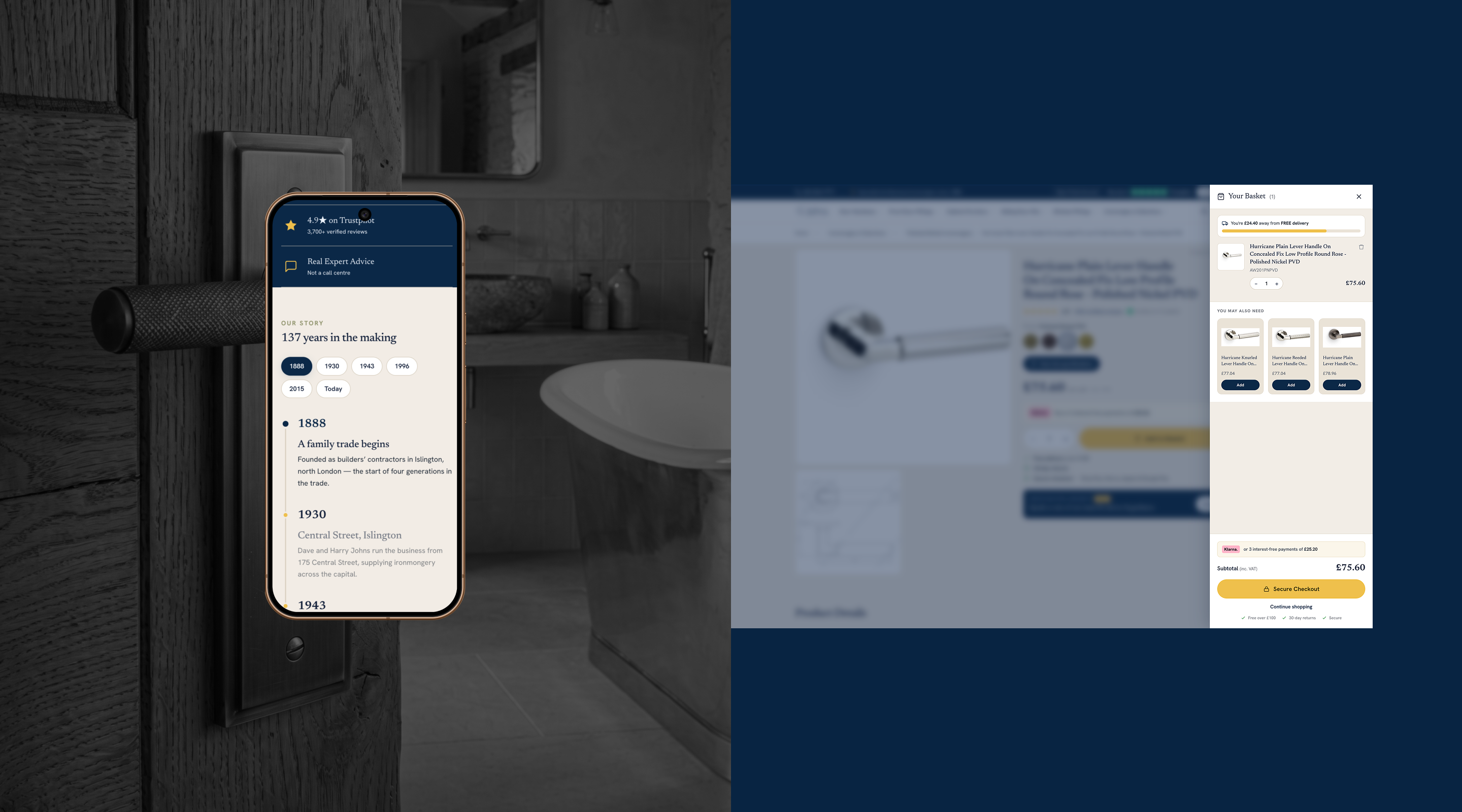
B2 designed and built a fully bespoke Shopify Plus theme for G Johns, with no off-the-shelf template. Architectural hardware buyers work to a different rhythm than retail shoppers, they need trade pricing, technical specification data, and a way to submit CAD drawings and account applications without picking up the phone.
Behind the storefront, B2 replaced Shopify's native contact forms, which can't handle CAD file uploads or departmental routing, with a custom, zero-dependency form infrastructure instead. Trade drawing submissions up to 35MB, new trade account applications and general enquiries are now routed automatically to the right team, backed by frictionless bot protection that never gets in a genuine trade customer's way.
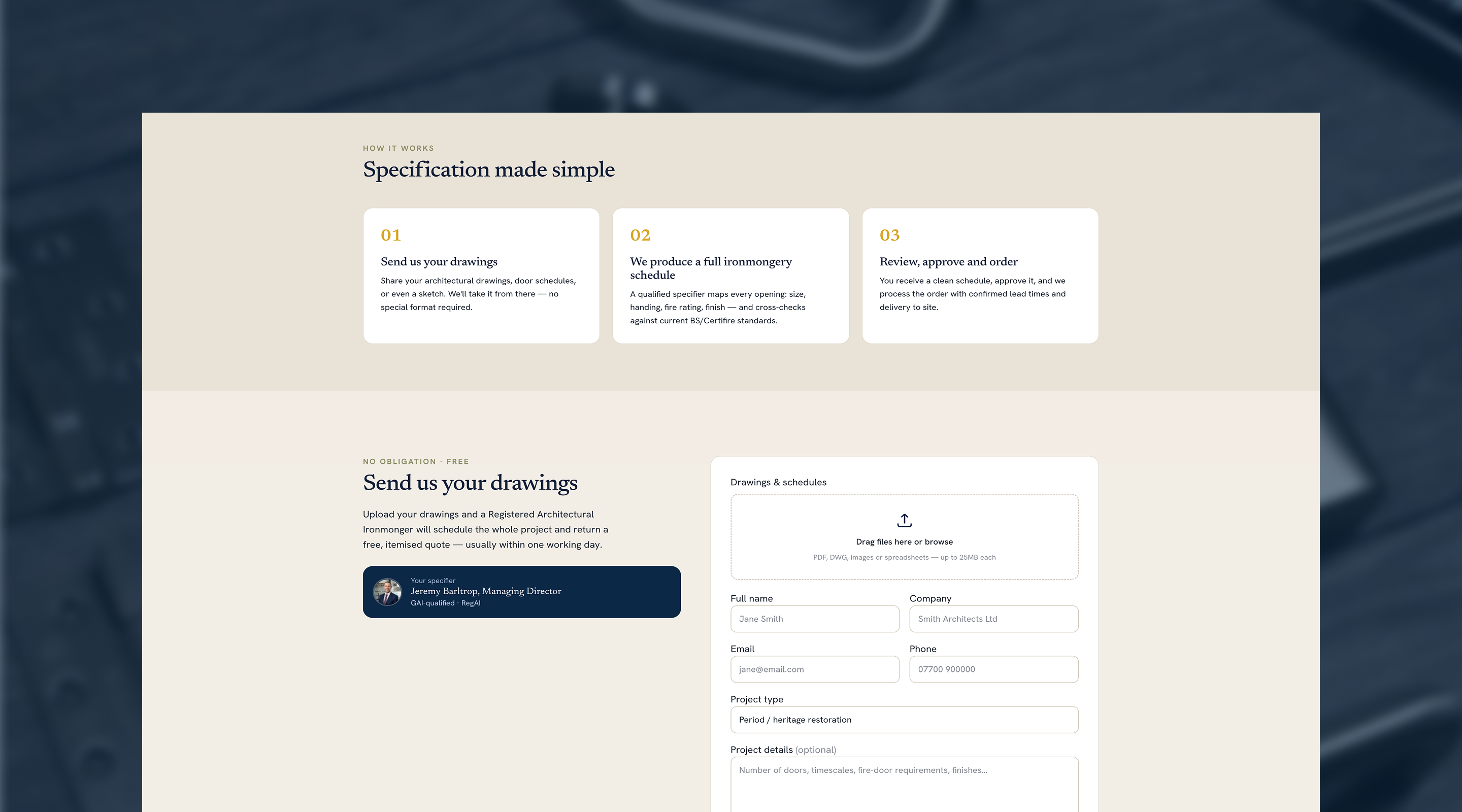
The catalogue itself set the real challenge. A single door handle listing could span six or more finish variants, each carrying its own dimensions, fire rating and fixing specification, all built on a Magento product structure Shopify has no native equivalent for.
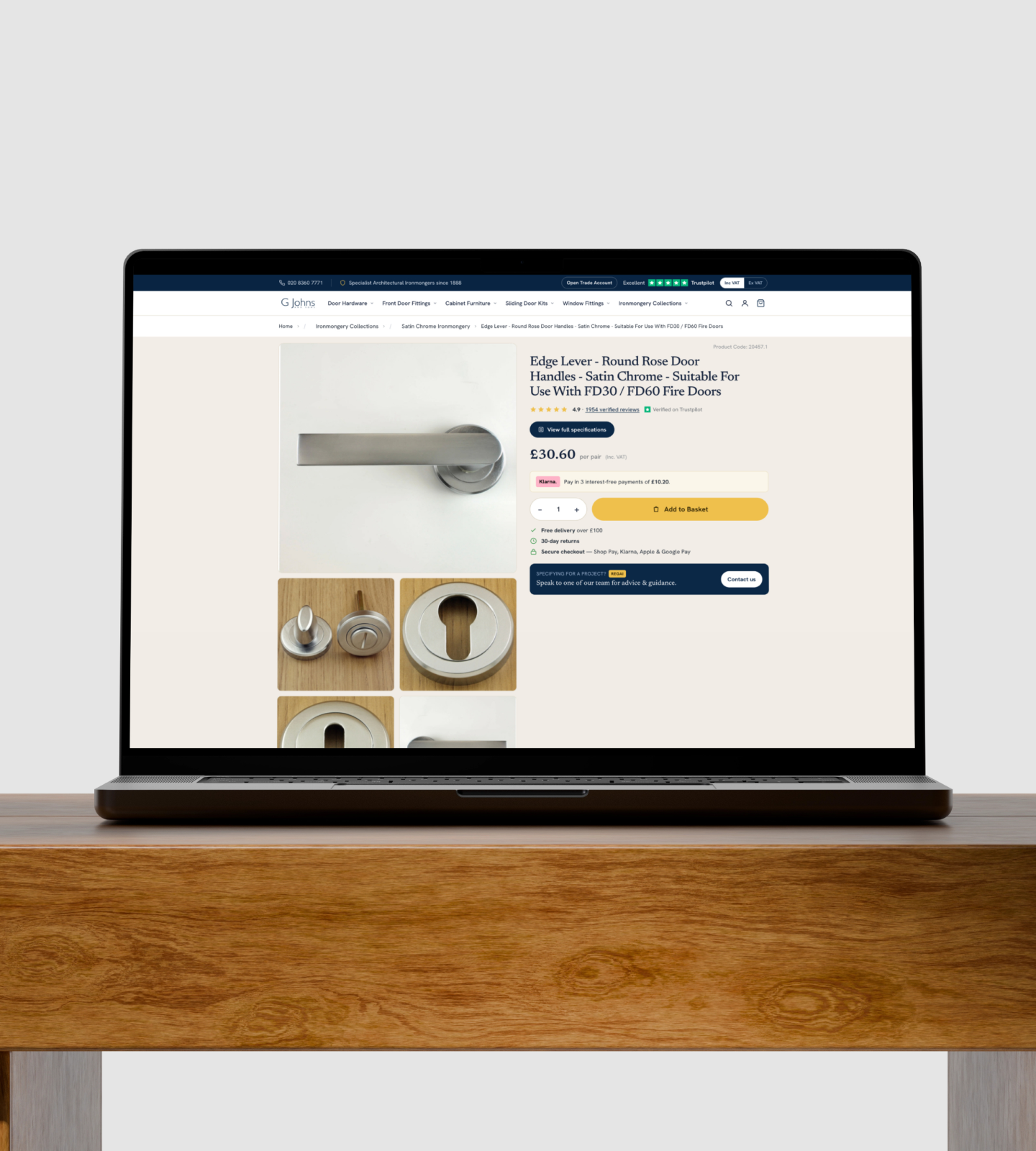
To solve it, B2 built a custom grouped-product engine on Shopify metafields, alongside a reactive specification system, trade-first pricing, and an interactive way to inspect finish quality online.
Key features:
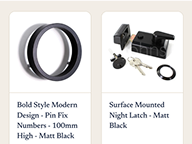
A custom grouped-product engine, built for true finish depth
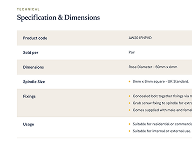
Full technical specifications and drawings, instantly accessible
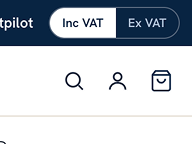
A global inc/ex VAT toggle, built for trade budgets

An interactive 360° product viewer for finish and detail inspection
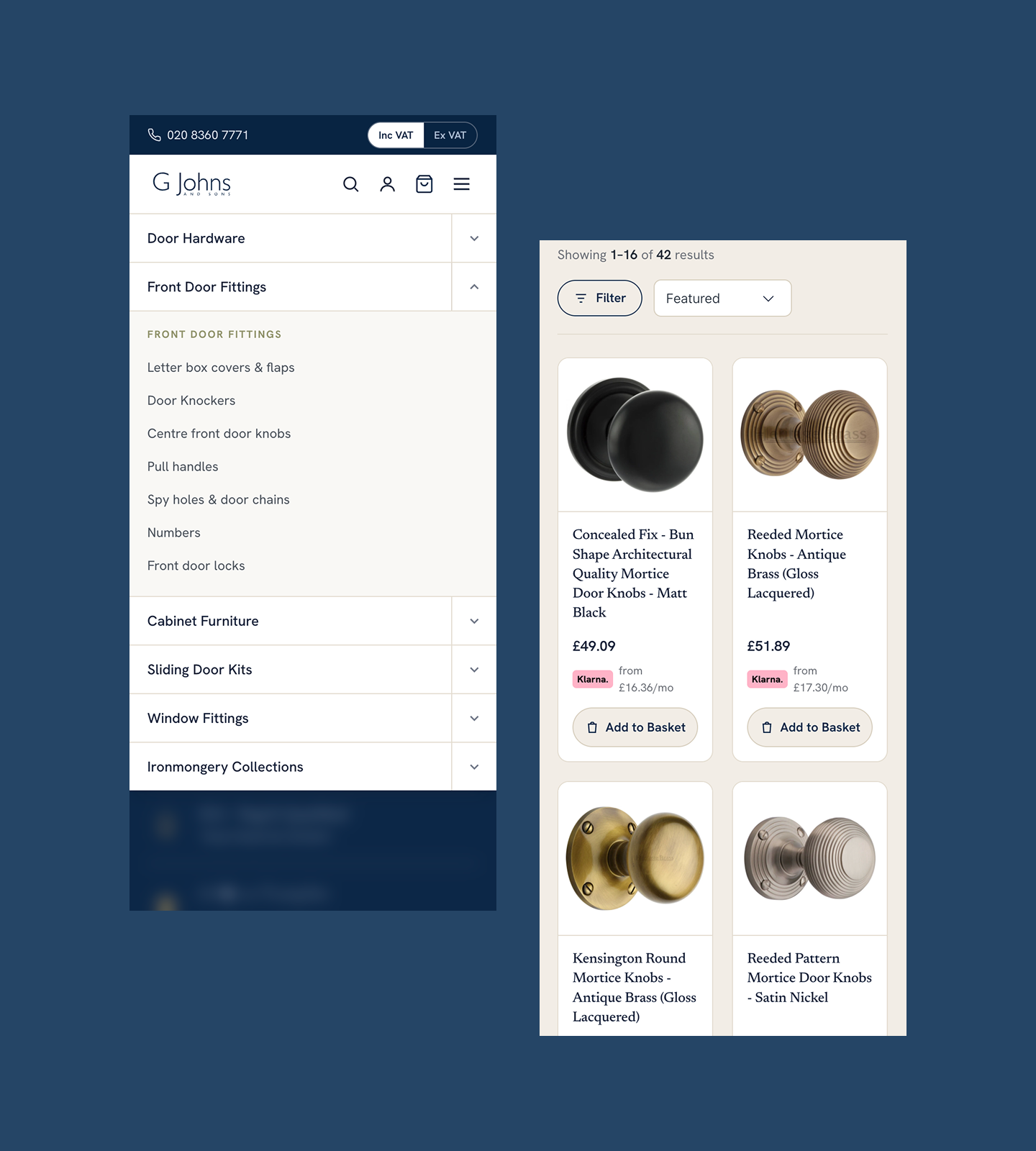



The migration didn't just match the old platform, it decisively beat it. Lighthouse performance monitoring, comparing the Magento 2 baseline against the new Shopify Plus build, shows the scale of the shift in real, measured terms rather than estimates.
Page speed was the headline gain. Largest Contentful Paint dropped by 70.3% and Total Blocking Time by 77.8%, translating directly into a faster, more responsive experience for architects and contractors browsing technical specifications under project deadlines.
Beyond speed, the migration removed Magento 2's hosting and patching overhead, activated a digital trade portal for the first time, and kept the grouped-product catalogue structure trade customers already knew intact.

DCO
Simplifying complex decorating purchases online



ISO27001:2022 Certified Information Security Management System
Copyright 2026 © B2 Agency Limited - All Rights Reserved. Company Registration Number: 14668246.